 Basilian Order of Saint Josaphat


International Conference on the Heritage of the Pochaiv Basilian Monastery Held in Zarvanytsia
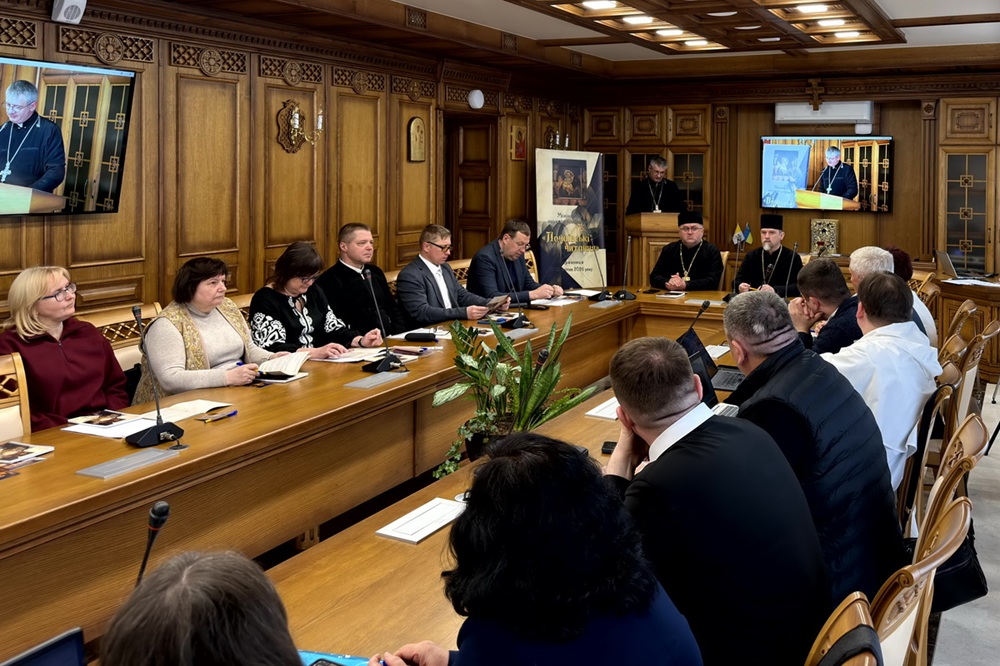
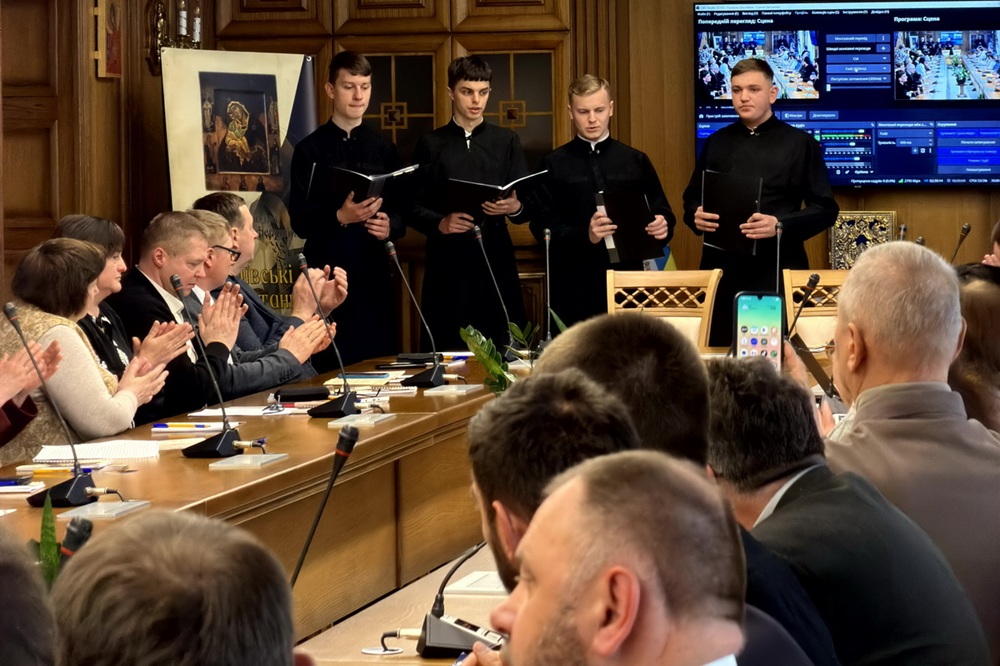
From April 23–25, 2026, the Marian Spiritual Center in Zarvanytsia hosted the International Academic Conference “Pochaiv Readings,” dedicated to the history and heritage of the Pochaiv Basilian Monastery of the Dormition of the Most Holy Mother of God. The event brought together scholars and researchers from Ukraine, Poland, and Romania.
Opening the conference, Archbishop and Metropolitan Theodor Martynyuk of Ternopil-Zboriv emphasized the importance of a rigorous scholarly approach to studying the history of Pochaiv Lavra. He noted that the organizers sought from the very beginning to ensure that the conference remained firmly rooted in academic research, objective analysis, and reliable historical sources. According to the Metropolitan, one of the key tasks today is to present the truth about Pochaiv’s history, including chapters that have often been overlooked or distorted over the centuries. He stressed that the future of Ukrainian society is closely connected to the search for historical truth and the recovery of its spiritual roots.
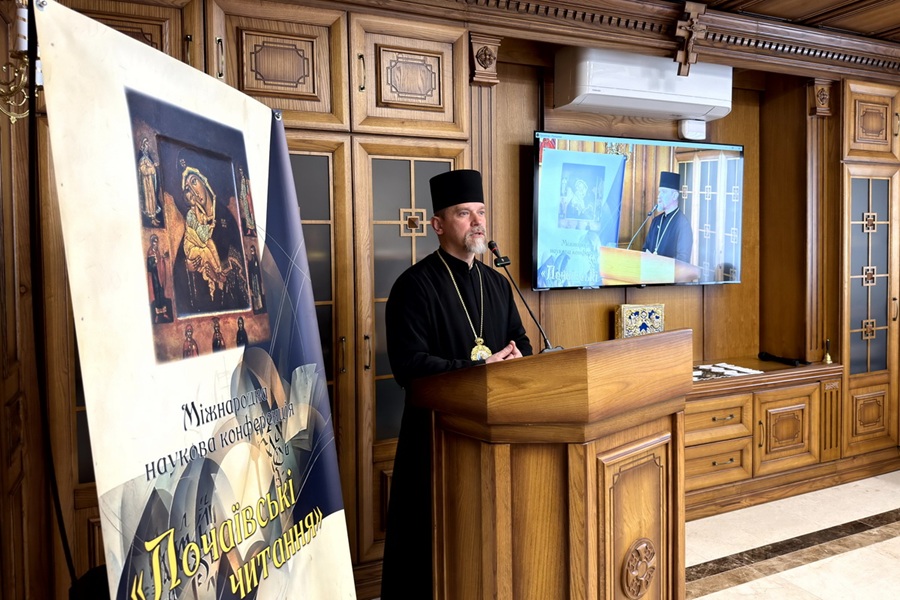
The Metropolitan also expressed gratitude to the scholars involved in previous editions of the conference for preparing an academic volume that has already become an important contribution to historical scholarship. Special thanks were extended to the publication’s editor-in-chief, Volodymyr Moroz, as well as to the organizing committee, particularly Fr. Yosyf Kralka, Protohegumen of the Basilian Fathers in Ukraine, and Fr. Vitalii Kozak, Doctor of Historical Sciences.
In his welcoming address, Fr. Yosyf Kralka highlighted the deeper significance of scholarly work in the field of Church history. He described the history of the Church as “a living heritage that requires attentive listening, thoughtful reflection, and responsible transmission to future generations.” He noted that Pochaiv should be understood not only as a pilgrimage destination but also as a center where spirituality, culture, theological thought, and national identity were shaped and nurtured.
Reflecting on the challenges facing Ukraine today, Fr. Kralka stressed that the heritage of Pochaiv remains especially relevant because it testifies to the resilience of faith and the strength of cultural and spiritual identity. He added that in times when truth itself becomes a field of struggle, scholarly integrity and responsibility take on a prophetic significance. The search for truth — even within archival documents and the silent testimonies of the past — becomes a form of service to God.
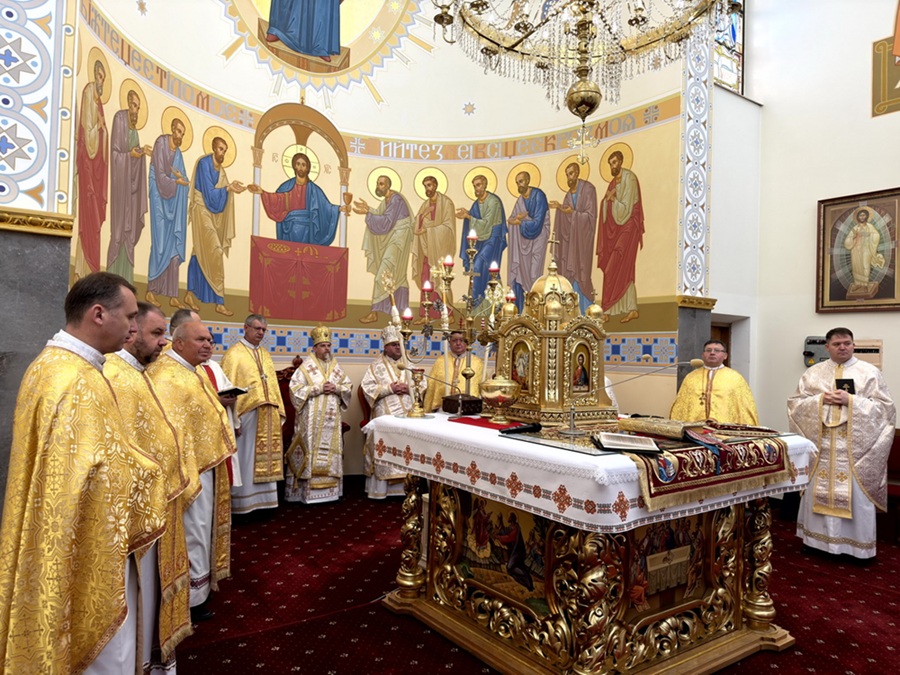
The conference was organized by the Province of the Most Holy Savior of the Basilian Order of Saint Josaphat in Ukraine, the Ternopil-Zboriv Archeparchy of the Ukrainian Greek Catholic Church, and the Institute of Church History of the Ukrainian Catholic University. The Pochaiv Readings have become an important academic platform for the systematic study of the history, spirituality, and cultural heritage of the Pochaiv Monastery, which has been referred to as a lavra in historical sources since the mid-eighteenth century.
The conference program covered a wide range of topics, including source studies, historiography, manuscript and printed heritage, publishing activity, artistic traditions, and the spiritual life of the monastery. Particular attention was given to Pochaiv’s role in the development of regional book culture and its enduring contribution to the religious and cultural history of Ukraine.
Based on materials: tze.org.ua


