 Basilian Order of Saint Josaphat


How Does God Guide the Life Choices of Young People Today?
Young people today live in a world filled with opportunities. Decisions about education, careers, relationships, and future goals gradually shape who they become. With so many possibilities, it is natural to ask: What should I do with my life?
Yet the Gospel invites us to ask an even deeper question: Whom will I follow?
Christian faith changes the way we look at life’s decisions. Instead of focusing only on success, achievements, or personal fulfillment, it encourages us to discover God’s purpose for our lives. This is where vocation begins — not simply as a career choice, but as a response to God’s loving invitation.
Throughout Scripture, God calls people personally. He calls Abraham to leave his homeland, Samuel to listen to His voice, and the Apostles to leave their nets and follow Christ. In each case, God is not simply offering a new task or occupation. He is inviting them into a deeper relationship with Himself. A vocation is ultimately about allowing God to guide the direction of our lives.
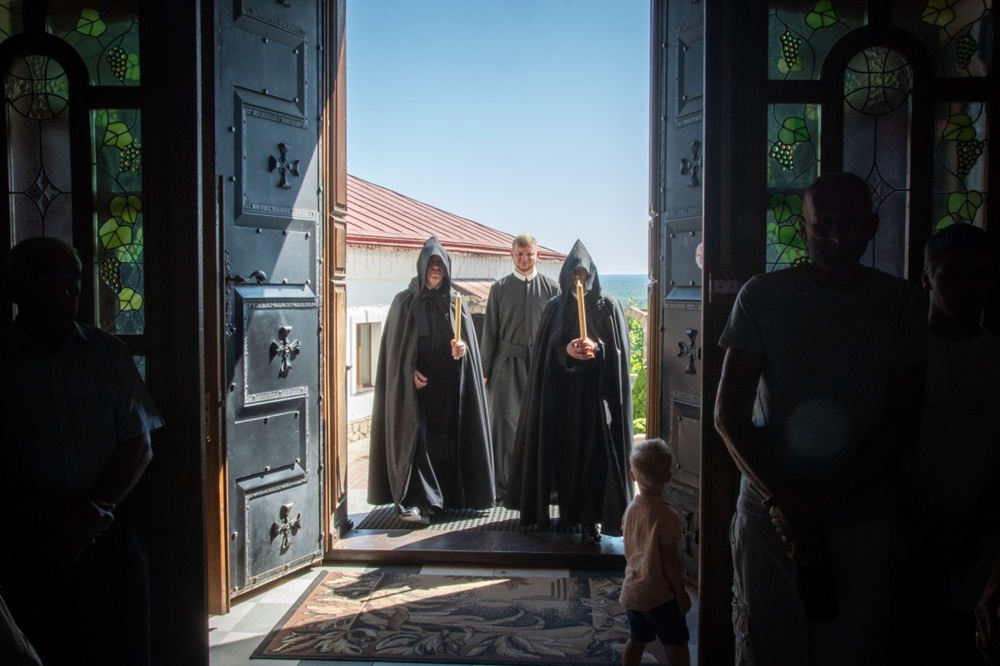
The Catholic Church teaches that monastic life is one of the most beautiful ways of responding to Christ’s invitation. It is not simply church work or a religious profession. At its heart, monastic vocation is about belonging completely to Christ and allowing Him to shape every part of one’s life.
God Calls by Name
Every vocation begins with a personal encounter. In the Bible, God calls Samuel by name: “Samuel, Samuel!” (1 Samuel 3:10). This reminds us that God knows each of us personally and has a unique plan for every life.
The same is true of monastic vocation. It is not simply an attractive lifestyle or a noble ideal. It begins when Christ speaks to the heart and invites a person to follow Him more closely. God enters a person’s life and gently asks for a response.
The Church teaches that the initiative always belongs to God. A person does not invent a vocation; rather, he or she discovers and responds to God’s call. This response becomes the beginning of a journey filled with purpose, freedom, and grace.
“Follow Me” — More Than Choosing a Job
When the Apostles left their nets to follow Jesus, they were leaving behind much more than their jobs. They were placing their entire future into His hands. Their priorities, dreams, and daily lives were transformed.
Monastic vocation involves the same trust. It means placing Christ at the center of everything—work, relationships, plans, hopes, and ambitions. It is a daily decision to believe that God’s plan is greater than anything we could design for ourselves.
A career asks, “What will I do?” A vocation asks, “To whom will I belong?” This is why vocation reaches far beyond professional success. It touches the deepest desires of the human heart and answers our longing for meaning, purpose, and love.
The Evangelical Counsels: A Path to Freedom
Jesus lived a life of poverty, chastity, and obedience. These were not burdens but expressions of His complete trust in the Father.
Monks and religious follow Christ through these same evangelical counsels. Poverty teaches freedom from attachment to possessions. Chastity opens the heart to love generously and selflessly. Obedience teaches us to trust God and seek His will above our own.
At first, these vows may seem difficult or even restrictive. Yet the Gospel reveals something surprising: true freedom comes not from doing whatever we want, but from becoming the person God created us to be. The evangelical counsels remove obstacles that can distract the heart and help it belong entirely to Christ.
Monastic Life Is Not an Escape
Some people imagine monastic life as withdrawing from the world. In reality, it is a unique way of serving the world.
Jesus often went away to pray, but He always returned to serve others. Prayer was never an escape; it was the source of His mission. Monastic life follows this same pattern.
Through prayer, monks carry the needs of the world before God. Through community life, they witness to love, forgiveness, and unity. Through their work and ministry, they contribute to the life of the Church and society. Their lives remind us that human beings are created not only for earthly success but for eternal communion with God.
God Calls Through Freedom
Jesus never forced anyone to follow Him. When the rich young man walked away, Christ respected his freedom. Genuine love can never be forced.
The same is true of monastic vocation. It requires a free and mature response. It cannot be based on pressure, fear, or a desire to escape life’s challenges. The Church encourages prayer, discernment, spiritual direction, and patience so that a person can recognize God’s voice with confidence.
God does not take away our future. Rather, He reveals a future greater than we could have imagined. What may appear to be a sacrifice often becomes the discovery of a deeper purpose and a more joyful life.
Conclusion
Monastic vocation is far more than a profession or a particular form of church service. It is a personal relationship with Jesus Christ, who calls each person by name and invites them to follow Him.
In a world filled with endless options and opportunities, vocation asks a profound question: Am I willing to trust God with my life?
For many young people, monastic life may seem challenging or even risky. Yet through the eyes of faith, it becomes a path of freedom, joy, and purpose. It does not take away one’s future — it fills that future with Christ and transforms it into a gift for God, the Church, and the world. A vocation is not primarily about what you will do. It is about who you will become in Christ.
Hieromonk Kypryan Zeykan, OSBM


